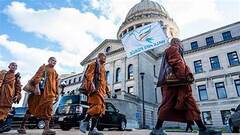
This two-part special for Peace Talks Radio explores the meaning of peace, compassion, and spiritual practice across multiple faith traditions, inspired by the 2025–2026 Walk for Peace, a 2,300-mile pilgrimage across the United States led by Buddhist monks promoting mindfulness, nonviolence, and compassion.
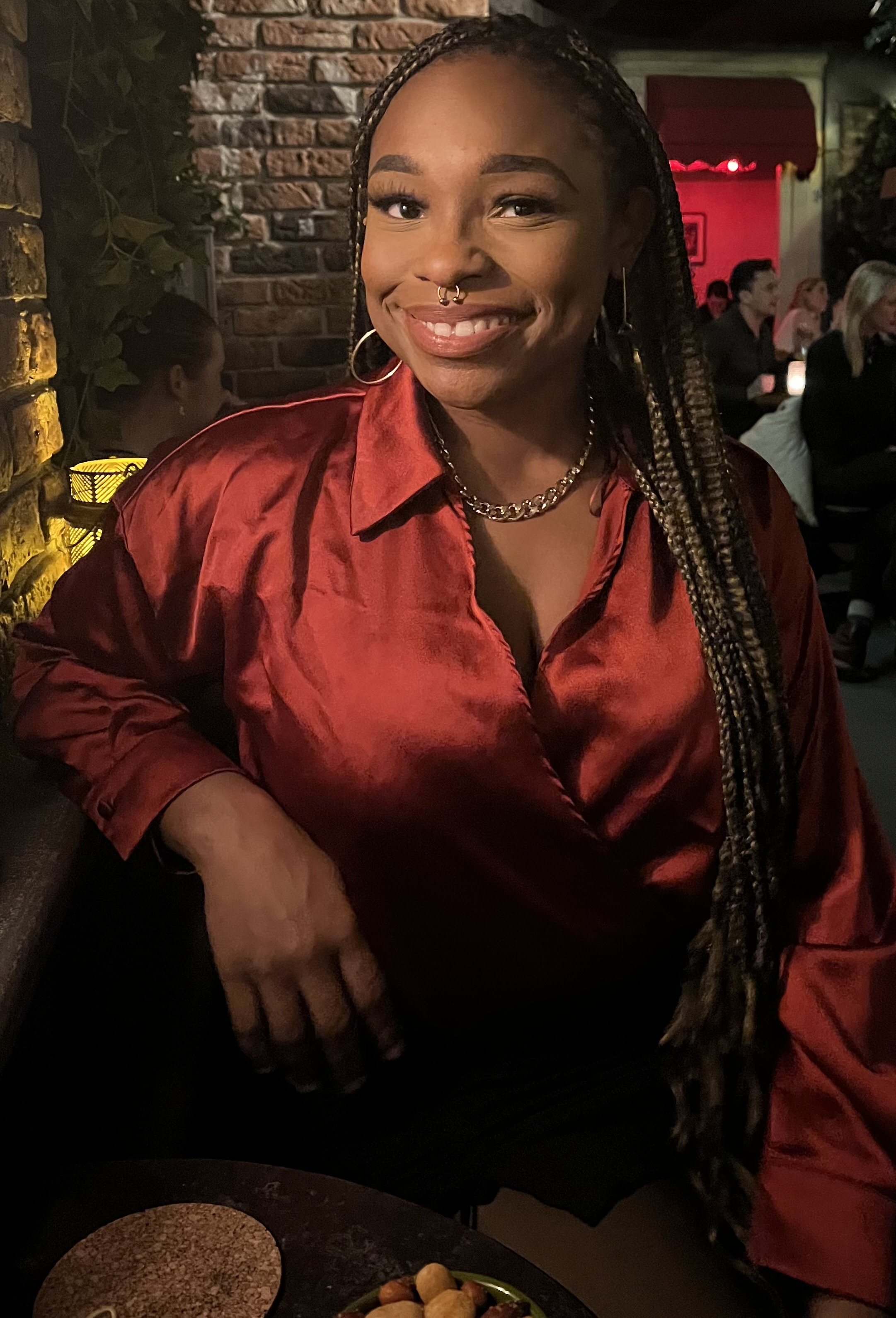
On this edition of PEACE TALKS RADIO, we explore what the sudden onset or revelation of an illness or disorder means for a relationship, be it familial, friendship or romantic. This change can be incredibly frightening, bringing with it emotions like fear, anger, guilt and deep sorrow. Individuals in such situations may have to make a choice either to stay through the sudden change, or to leave a relationship that is no longer serving them or the other. But it is how we communicate these thoughts and feelings that is crucial in ensuring moving forward in a non-violent, respectful way. This applies to both communication with oneself, and with others. Correspondent Julia Joubert talks with Adrian and Claudine de Villiers, a couple navigating these issues into their 17-year marriage. Also she visits with Dani van Zyl, a woman living with multiple chronic illnesses who is reckoning the resulting challenges. And we talk with Emonie Carter-Hale (left), a systemic and family psychotherapist.

On this edition of PEACE TALKS RADIO, we’ll explore the challenges surrounding conflicts around cultural appropriation. Cultural appropriation involves adopting elements from a culture or identity that’s not your own in a way that may be harmful, stereotypical, or exploitative. The lines are harder to draw between cultural appropriation and appreciation. The world is a global village and cultures are constantly interacting, borrowing, remixing, and evolving. However, in case of appropriation there usually is a one-way transfer, in terms of pleasure, or income and opportunity— sometimes irking the other side. So how do we learn about and enjoy other cultures without appropriating them? When are we truly simply showing appreciation of something tied deeply to another culture? Correspondent Yamini Ranjan explores multiple examples of cultural appropriation with three guests who offer insights on how we can find peace & joy when we are interacting with traditions that don’t come from our own lived experience and heritage. Our panel includes Claudia A. Fox Tree (pictured left), Harpinder Kaur Mann, and Dr. Eve Dunbar.

On this edition of Peace Talks Radio, we’ll explore the challenges surrounding chronic homelessness in the United States. According to the National Council to End Homelessness, as of January 2020, there were 580,466 people experiencing homelessness on our streets and in shelters in America. Most were individuals (70 percent), and the rest were people in families with children. They lived in every state and territory, and they include people from every gender, racial, and ethnic group. A lot of us wonder how best to help those living on the streets. This program features three women working on the forefront of this issue. Correspondent Emily Cohen speaks with Wren Fialka, the founder of Spread the Love Commission, Miranda Twitchell, a leader in the unsheltered homeless community in Salt Lake City, and Eva Thibadeau-Graczyk the CEO of Temenos Community Development Corporation in Houston.

A threat of both international and domestic terrorism has been a constant in our world for decades now. Radicalization of individuals to practice such terrorism has been identified as one of the key reasons behind these attacks forcing governments around the world to focus on countering terrorism through deradicalization. On this PEACE TALKS RADIO episode, correspondent Priyanka Shankar talks to our guests about what drives people into joining terrorist groups and how counter-terrorism efforts are trying to flip extremists to bolster peace. Why should we care about these efforts, and what role, if any, can WE play in such efforts?

On this edition of PEACE TALKS RADIO, we talk about what it means to be an ally to members of marginalized communities, and the necessary discomfort that comes with growing our awareness about our participation in oppressive structures in society, and how we can all be both the oppressed, as well as the oppressor. Correspondent Sen Zhan speaks with three DEI (diversity, equity, and inclusion) practitioners: Agnieszka Bua, Amaka Ohia-Nowak, and Kevin Groen.